
Introduction
Picture yourself at the airport check-in counter. Beads of sweat form as you try to lift your suitcase onto the scale. The numbers flash, and your heart sinks—you’ve exceeded the weight limit. Overpacking has struck again, turning the excitement of your vacation into a stressful ordeal. If this scenario sounds familiar, you’re not alone.
Overpacking is one of the most common travel mistakes, yet it’s also one of the easiest to avoid. Many travelers pack too much because they fear being unprepared. They later find themselves lugging around unnecessary items. They also end up paying excess baggage fees. But packing light doesn’t mean sacrificing comfort or convenience—it means being strategic.
In this guide, we’ll explore the psychology behind overpacking. We will discuss its consequences and offer expert-backed strategies. These strategies will help you streamline your packing process. Whether you’re heading on a weekend getaway or a month-long adventure, these tips will guarantee a lighter, stress-free journey.
The Psychology Behind Overpacking
Before tackling the practical solutions, it’s important to understand why people often overpack. The reasons often stem from psychological factors, including:
- Fear of the Unknown: Travelers worry about encountering unexpected situations, so they pack for every possible scenario.
- Just-in-Case Mentality: Many pack items they might need, even if the likelihood of using them is low.
- Emotional Attachment: Some travelers find it hard to leave certain items behind. It could be their favorite sweater or an extra pair of shoes.
- Indecisiveness: The inability to decide on outfits or essentials leads to packing multiple options.
- Overestimating Needs: People often assume they’ll need more clothing, toiletries, or gadgets than they actually do.

Understanding these triggers can help you shift your mindset and pack smarter.
The Consequences of Overpacking
Overpacking doesn’t just make your suitcase heavier; it has real consequences that can negatively impact your travel experience:
- Physical Strain: Dragging a heavy suitcase through airports, train stations, and cobblestone streets can be exhausting and even cause injuries.
- Extra Costs: Airlines charge hefty fees for overweight luggage, cutting into your travel budget.
- Limited Mobility: Overpacking makes it harder to navigate public transportation, switch accommodations, and explore freely.
- Unnecessary Stress: A cluttered suitcase means more time spent rummaging for items, leading to frustration.
- Less Room for Souvenirs or Gifts: Bringing too much at the start of your trip leaves no space for new purchases.
By recognizing these drawbacks, you’ll be more motivated to pack efficiently.
Strategies to Avoid Overpacking
1. Create a Packing List and Stick to It
One of the simplest ways to prevent overpacking is to make a list before you start. Divide it into categories:
- Clothing (tops, bottoms, undergarments, sleepwear)
- Toiletries (travel-sized essentials only)
- Electronics (phone, charger, headphones)
- Miscellaneous (passport, travel documents, medications)
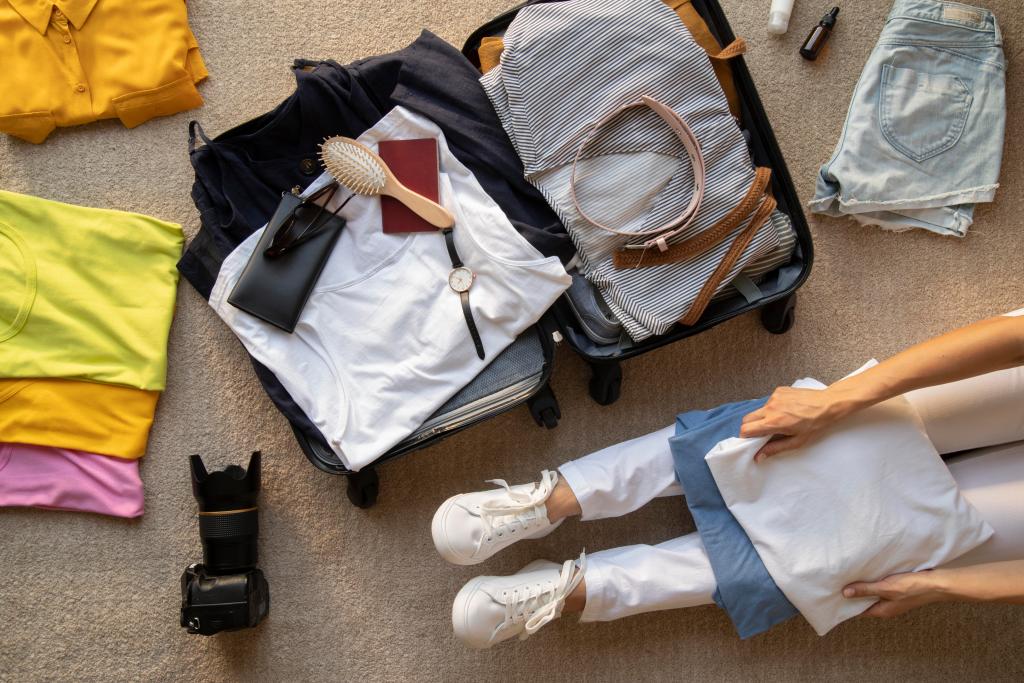
Review the list carefully and remove non-essentials.
2. Follow the 5-4-3-2-1 Rule
For trips up to a week long, consider this simple formula:
- 5 tops
- 4 bottoms
- 3 pairs of shoes
- 2 jackets or sweaters
- 1 dressy outfit (if needed)
This ensures versatility while keeping your wardrobe minimal.
3. Choose Versatile Clothing Items
Instead of packing multiple outfits for every day, select mix-and-match pieces. Stick to a neutral color palette so everything coordinates easily. Layering options are key—lightweight scarves, cardigans, and jackets can help you adapt to different weather conditions.
4. Use Packing Cubes
Packing cubes help organize your suitcase, maximize space, and prevent overstuffing. Sort items by category and compress them to create extra room. Plus, they make unpacking a breeze!

5. Limit Toiletries
Most hotels and Airbnbs supply basic toiletries, so there’s no need to bring full-sized bottles. Opt for travel-sized products or solid alternatives like shampoo bars. If you run out, you can always buy more at your destination.
6. Minimize Electronics
Unless you’re a photographer or digital nomad, you probably don’t need multiple devices. A smartphone can replace a camera, e-reader, and GPS. Keep chargers and accessories to a minimum.
7. Wear Your Bulkiest Items
Save space in your suitcase by wearing heavy or bulky items during travel. This includes jackets, boots, and sweaters. Airplane cabins are chilly anyway, so layering up can keep you comfortable in transit.
8. Pack a “Day One” Outfit in Your Carry-On
In case of lost luggage, always pack a fresh change of clothes, basic toiletries, and important documents in your carry-on. This prevents unnecessary stress if your checked bag gets delayed.

9. Leave Room for Souvenirs
If you plan to shop, reserve space in your bag from the start. Packing a lightweight, foldable tote is a great backup for extra purchases.
10. Do a Final Edit
Before zipping up your suitcase, take a final look and remove any non-essentials. If you’re unsure about an item, ask yourself:
- Will I wear or use this more than once?
- Can I buy this at my destination if needed?
- Is this adding unnecessary weight?

Depending on your response, leave it behind.
Expert Tips for Packing Light
Seasoned travelers and flight attendants have mastered the art of light packing. Here are some of their best tips:
- The Pillowcase Trick: Stuff a pillowcase with clothes to create extra packing space while doubling as a travel pillow.
- Roll, Don’t Fold: Rolling clothes reduces wrinkles and saves space.
- Use Ziploc Bags: Great for organizing small items, separating liquids, or compressing bulkier fabrics.
- Pack Dual-Purpose Items: A sarong can be a beach cover-up, blanket, or makeshift scarf.
- Embrace Minimalism: Ask yourself if you truly need each item before packing it.
Embracing Minimalist Travel
Packing light isn’t just about reducing luggage weight—it’s about enhancing your travel experience. A lighter suitcase means:
- More freedom to explore
- Less stress navigating transit
- Fewer baggage fees
- Easier unpacking and repacking
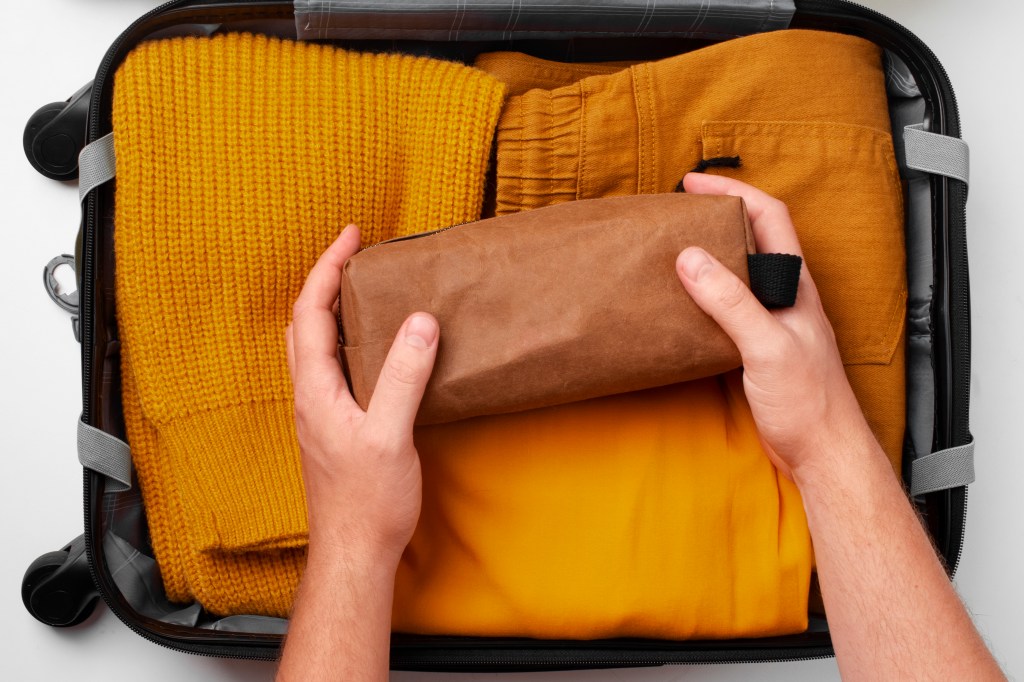
Traveling with less lets you focus on the journey itself rather than being weighed down by material things. It also encourages a more spontaneous and immersive experience. You adapt to your surroundings rather than relying on what’s in your suitcase.
Conclusion
Overpacking is a common challenge. However, with a shift in mindset and a few strategic packing techniques, you can travel lighter. You can also travel smarter. By focusing on essentials, embracing versatility, and eliminating unnecessary items, you’ll enjoy a stress-free, hassle-free trip.
Next time you pack, challenge yourself to bring less than you think you need. You might be surprised at how liberating it feels!
Did you find these tips helpful? Share your best packing hacks or tips in the comments below!
 Everglo Travels
Leave a comment