Travel isn’t just about seeing new places—it’s a powerful way to help your child grow in confidence, independence, and curiosity. While we often associate “milestones” with babies and toddlers, kids aged 8-10 are hitting major developmental leaps too. And what better way to nurture those than through family adventures?
From their first flight without fear to navigating a new city, travel helps kids this age build life skills. It fosters resilience. They gain a broader worldview. Here’s how.

1. Independence: The First Solo Airport Experience
At 8-10 years old, kids are ready for small doses of responsibility. Travel pushes them to:
- Carry their own backpack (and remember what’s inside!).
- Navigate an airport (finding the gate, watching for boarding calls).
- Order their own meal at a restaurant (especially in a foreign language!).
These “firsts” build self-reliance in a way school and home routines can’t.
Tip: Many international airports feature play areas designed just for kids. If yours has one, take advantage of it! Let your child run, climb, and play before the flight. This helps them release pent-up energy. It makes it easier for them to settle in for the journey ahead. No playground nearby? No problem. Scout out a quiet corner near your gate (away from the crowds) for some last-minute movement. A quick game of “follow the leader” or stretching exercises can work wonders—without disrupting fellow travelers. (Source: The Family Board)
2. Problem-Solving: “Mom, I Think We’re Lost…”
Getting turned around in a new city (safely, of course!) teaches kids to:
- Read maps (even if it’s just Google Maps).
- Ask for help (a skill that builds social confidence).
- Adapt when plans change (because missed trains happen!).
These moments turn small challenges into big confidence boosters.

Wondering if your child’s development is on track? The CDC’s Milestone Tracker App makes it easy! This free, expert-backed tool aids parents in monitoring developmental milestones from ages 2 months to 5 years. It features interactive checklists and tips for encouraging growth. It also provides guidance on when to talk to a doctor. Available in English and Spanish, it’s a must-have for keeping up with your little one’s big (and small) wins. Download today and celebrate every step forward!
3. Cultural Awareness: “Wait, They Eat That for Breakfast?”
Exposure to different cultures helps kids:
- Try new foods (even if they make a face first!).
- Learn basic phrases in another language (bonus: great for brain development!).
- Understand different lifestyles (why do some kids walk to school alone?).
This age is perfect for sparking curiosity about the world.

4. Emotional Growth: “I Miss Home… But This Is Fun Too!”
Travel takes kids out of their comfort zones, helping them:
- Handle homesickness (and realize they can push through it).
- Appreciate family time (no screens, just shared experiences).
- Develop patience (long flights, lines, and “are we there yet?” moments).
These emotional wins stick with them long after the trip ends.
Parents, are you ready to commemorate your child’s first tropical trip with a colorful, customizable milestone board?
5. First Flight Jitters Turned into Bravery
For many kids, flying is a rite of passage. By this age, they can:
- Understand how planes work (hello, science lesson at 30,000 feet!).
- Manage takeoff nerves (deep breaths, window seat distractions).
- Feel proud when they land (“I did it!”).
Each flight makes them a little more adventurous.
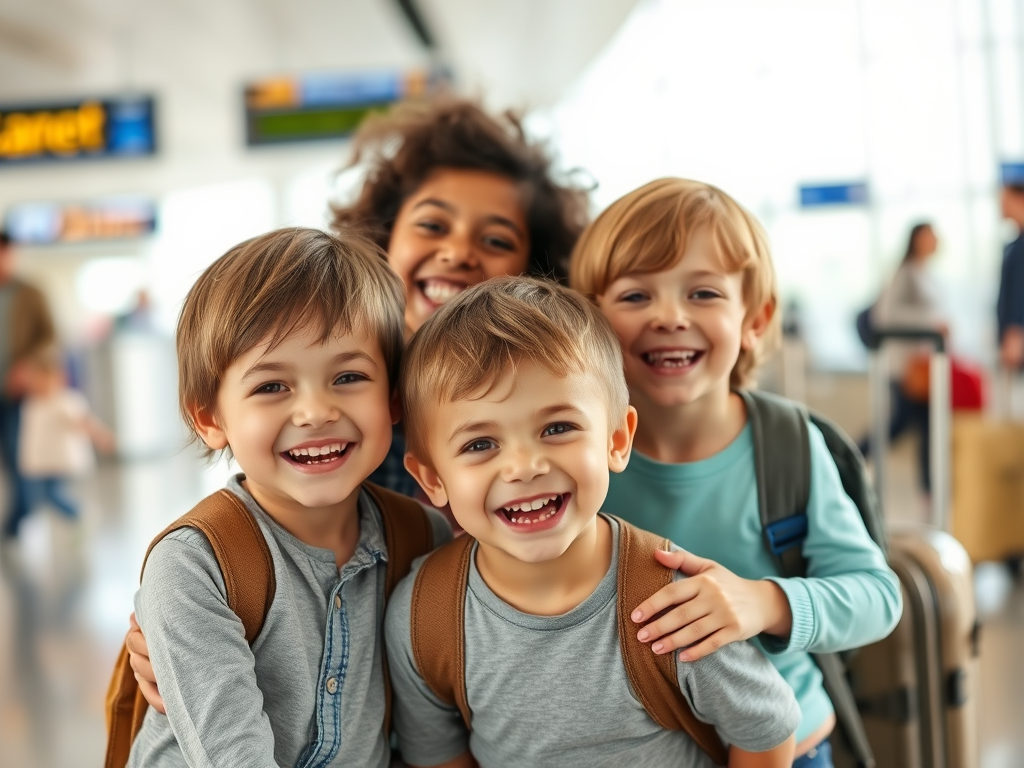
Final Thought: Travel Is the Ultimate Milestone Maker
While babies have first steps and first words, 8-10-year-olds have their own “firsts”—and travel accelerates them. It might be their first time on a plane. It could be their first time using a foreign currency. It may be their first time making a friend abroad. These experiences shape resilient, curious, and adaptable kids.
So next time you plan a trip, remember: You’re not just making memories. You’re helping your child grow.
Where will their next adventure take them? 🌎✈️
 Everglo Travels
Leave a comment