Most travelers dream of Egypt (So do I). When they do, their minds go straight to the towering pyramids of Giza. They may also think of the mysterious gaze of the Sphinx. And while those marvels absolutely deserve a place on your bucket list, Egypt’s story runs far deeper than its monuments.
To walk through Egypt is to step into a living archive of human ingenuity, cosmic curiosity, and cultural brilliance. These seven lesser-known truths reveal a civilization that was not just ahead of its time—but still echoing into ours.
So before you book your camel ride or cruise the Nile, explore these fascinating facts. They might shift the way you see Egypt forever.

📍Start planning your Egypt journey with intention. Pack curiosity. Bring wonder. And don’t be afraid to get off the beaten pyramid path.
1. Egypt Wrote the First Peace Treaty in the World
Long before the age of passports and politics, ancient Egyptians were already negotiating peace on an international scale. Around 1259 B.C., Ramses II of Egypt signed a treaty with the Hittites to end decades of conflict. It was carved into stone—literal peace etched into permanence.
You can see a replica of this treaty at the United Nations Headquarters in New York. Nothing compares to standing near the temples of Karnak or Abu Simbel. The echoes of that diplomacy still whisper through the sandstone there.

2. The Pillows Were Made of Stone (On Purpose)
No, they weren’t trying to make life harder. Egyptians rested their heads on curved stone or wooden headrests. This was not for comfort. It was to preserve elaborate hairstyles and protect against bad spirits. Aesthetics met belief in every corner of their lives.
Visit the Egyptian Museum in Cairo and you’ll see these “pillows” up close. It’s a small but striking reminder that design was sacred—even at bedtime.
3. They Gave Us the 365-Day Calendar
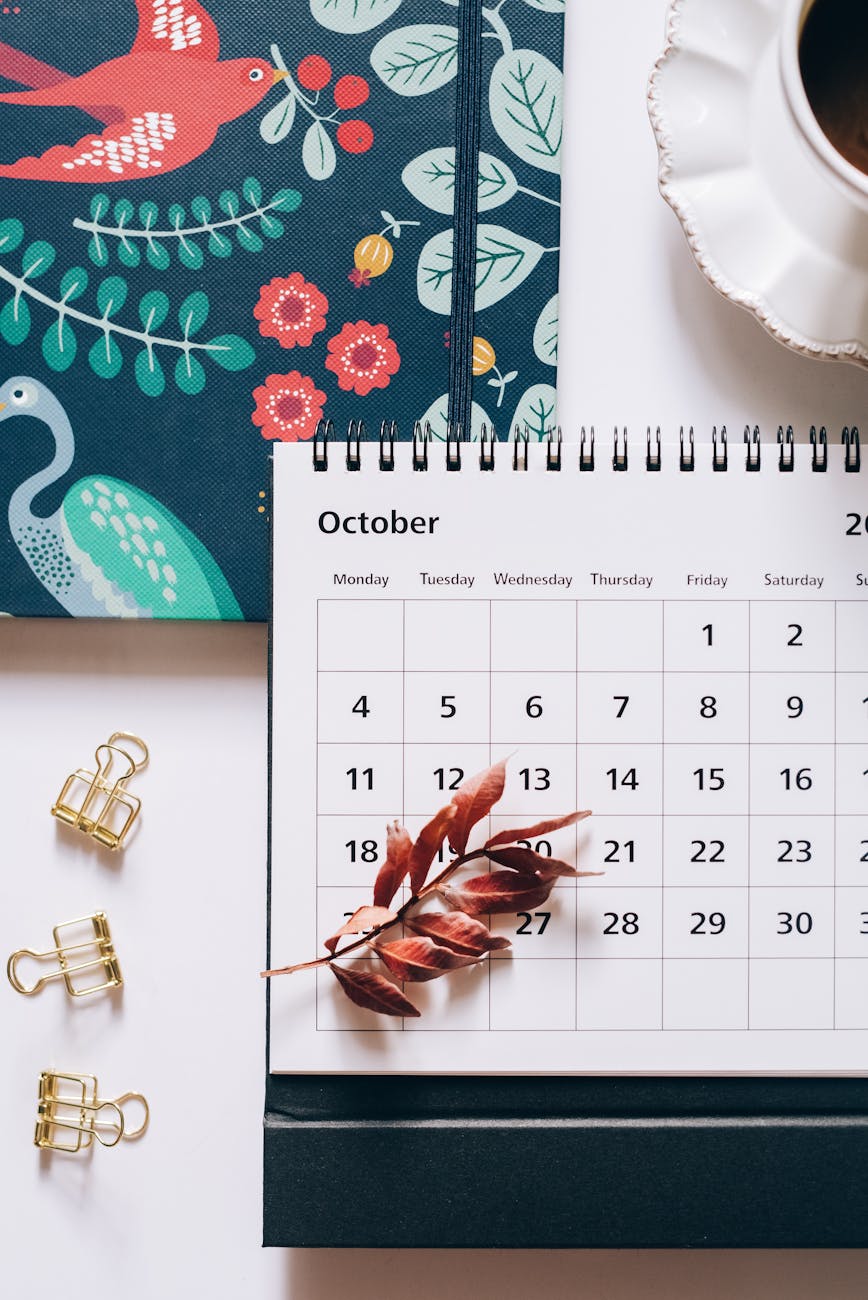
That trip you’ve been planning for months? You can thank ancient Egypt. Their calendar was based on the Nile’s flooding cycle and the movements of the stars. It laid the foundation for our modern 365-day system.
Want to feel that cosmic connection? Plan your visit during the ancient New Year, which is around late July. This was when the Nile once rose and brought life to the desert. You’ll never look at a calendar the same way again.
Looking to simplify your travel plans? Trip.com is your all-in-one platform for booking flights, hotels, trains, car rentals, and even attraction tickets—all in one place. Whether you’re planning a weekend getaway or an international adventure, Trip.com offers great deals, user-friendly features, and 24/7 customer support. You can compare prices, read real reviews, and even earn Trip Coins for future discounts. It’s the perfect tool for stress-free travel planning, anytime, anywhere! Click the link here to get started!
4. Their Medicine Was Shockingly Advanced
From setting bones to treating infections with honey, Egyptian healers were lightyears ahead of their time. Some of their techniques are still relevant in today’s medicine. You can explore ancient surgical tools and medical scrolls in Luxor’s museums—and walk away astounded by how sophisticated they were.
Travel tip: Don’t skip the less crowded museums. You’ll find some of the most jaw-dropping details hidden in the quiet corners.
5. Women Could Own Land, Run Businesses, and Divorce
Travelers often come to Egypt expecting pharaohs and gods. They leave most struck by how progressive the society was, especially for women. In ancient Egypt, women could own property, serve as priests, and even initiate divorce. Queen Hatshepsut didn’t just rule—she redefined what rulership could look like.
As you stand before her obelisks in Karnak, you’re not just seeing a monument. You’re witnessing a power move that reshaped history.
6. Even Female Pharaohs Wore Beards (Symbolically)
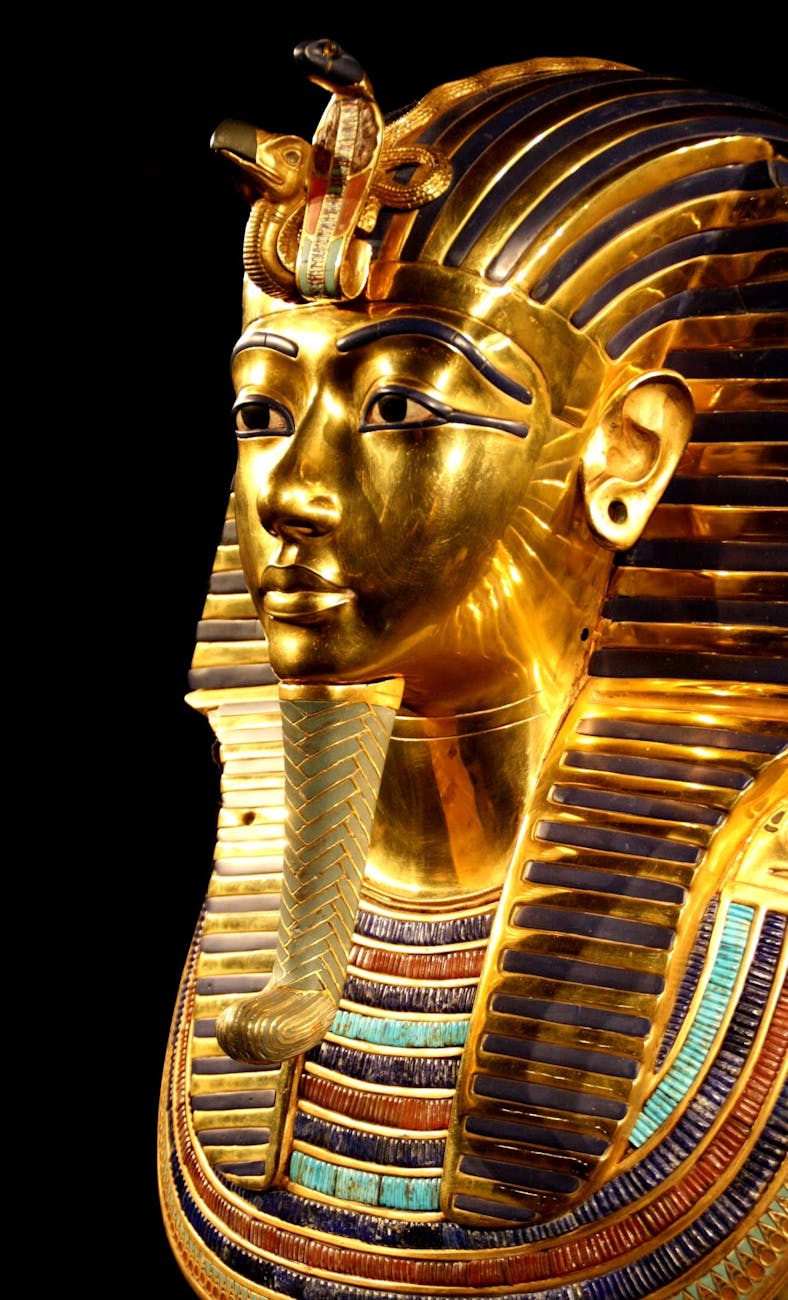
To channel divine power, pharaohs—male or female—wore stylized false beards to align themselves with the gods. It was branding meets mythology. Queen Hatshepsut famously wore one to assert her authority.
It’s one of those delightful moments when you realize how much symbolism ran through every thread of Egyptian life.
7. They Played Board Games—With Cosmic Stakes
Yes, ancient Egyptians loved a good board game. Senet, their most famous one, was more than entertainment—it symbolized their beliefs in the afterlife. Archaeologists have found sets buried in tombs, ready for the next world.
You can even buy modern versions of Senet in Cairo’s bazaars—an authentic souvenir with centuries of story packed inside.
Final Boarding Call: Wonder Awaits
Egypt isn’t just a destination. It’s a revelation. A place where innovation, beauty, and mystery were carved into daily life. You might wander the tombs of the Valley of the Kings. You could cruise past Nubian villages. Alternatively, you may stand under the stars in the desert. Know this: You’re not just exploring ruins. You’re stepping into a living story still being told.

So the next time you’re drawn to Egypt, go deeper than the Instagrammable moments. Let its quiet brilliance surprise you.
Parents, are you ready to commemorate your child’s first Egypt trip with a cute, customizable milestone board?
Note: If you click on some of the links in this article, I may earn a small commission. This only occurs if you make a purchase and comes at no extra cost to you. As a travel agent, this helps me keep creating great content—thank you so much for your support! 💛
 Everglo Travels
Leave a comment